
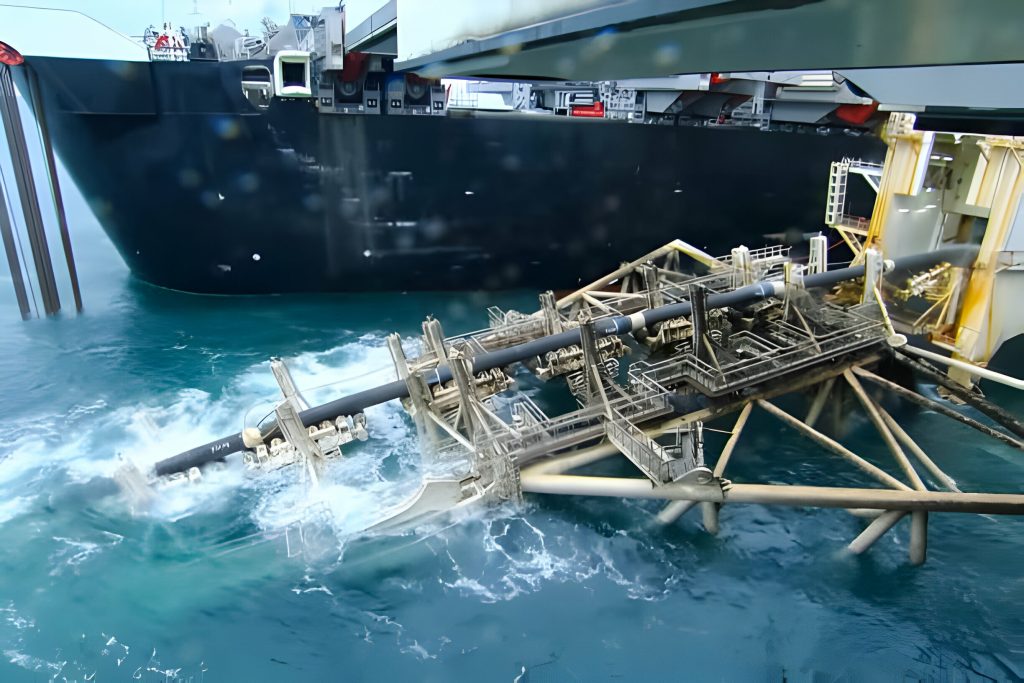
Port and harbor development is crucial for global trade, shipping, and coastal infrastructure. To facilitate the movement of goods and provide safe docking spaces for vessels, significant engineering and construction efforts are needed, much of which takes place underwater. Underwater construction plays an essential role in expanding and maintaining ports and harbors, ensuring they are both functional and safe for maritime operations.
In this article, we will explore how underwater construction contributes to port and harbor development, the key techniques used, and how it addresses the unique challenges of working below the water’s surface.
1. Building and Expanding Docking Facilities
One of the primary tasks in port and harbor development is the construction of piers, docks, and wharfs where ships can dock. Many of these facilities must be built underwater, as the shoreline needs to be deep enough to accommodate large vessels.
- Dredging: Dredging is the process of excavating the seabed to increase the depth of harbors, allowing ships to enter safely. Dredging helps to create deeper navigation channels for larger vessels, as well as to maintain sufficient clearance for ships to dock. This is essential for preventing sedimentation build-up and maintaining the depth of critical shipping lanes.
- Piles and Foundations: For piers and docks to be stable in underwater environments, piles and foundations must be driven deep into the seabed. These piles act as support structures to ensure that the dock or wharf remains stable under the weight of large vessels. The installation of these piles requires specialized underwater construction techniques and equipment, such as hydraulic drills and vibratory pile drivers.
2. Construction of Breakwaters and Sea Walls
Breakwaters and sea walls are built to protect ports, harbors, and vessels from rough waves, storm surges, and coastal erosion. These structures are essential for providing safe docking conditions and ensuring the longevity of port facilities.
- Breakwaters: Breakwaters are barriers built in the water to absorb the energy of incoming waves, protecting ships in the harbor from potential damage. These can be constructed with large rocks, concrete blocks, or a combination of both. The process of constructing a breakwater involves underwater placement of materials, which requires the use of heavy machinery and specialized barges.
- Sea Walls: Sea walls are vertical barriers built along the coastline to prevent coastal erosion and flooding. Underwater construction plays a key role in ensuring the foundations of sea walls are secure and strong enough to withstand the forces of waves and water pressure. These walls are often built from reinforced concrete, which is laid on the seabed or driven into the ground.
3. Installation of Underwater Cables and Pipelines
Ports and harbors require various utilities, such as electrical power, telecommunications, and water supply systems. These utilities are often routed through underwater cables and pipelines, which are essential for the day-to-day operation of the port.
- Submarine Cables: Submarine cables carry vital electrical and telecommunications signals from one point to another across bodies of water. These cables must be carefully installed, often buried beneath the seabed to prevent damage from ships’ anchors or marine activity. The process involves the use of specialized underwater equipment like remotely operated vehicles (ROVs) to lay the cables accurately.
- Underwater Pipelines: Underwater pipelines transport fuel, water, or sewage from the harbor to various areas of the port or surrounding areas. These pipelines need to be installed securely, with adequate protection from corrosion and damage caused by water pressure, tides, and marine life. The installation of underwater pipelines requires the use of divers, ROVs, and custom-built machines designed to handle underwater environments.
4. Environmental Impact Management and Restoration
Underwater construction in ports and harbors must also account for the potential environmental impact, particularly on marine ecosystems. Environmental considerations play an important role in port development to minimize disruption to coastal habitats, wildlife, and water quality.
- Environmental Dredging: Dredging activities can impact the local marine ecosystem, so modern techniques now include environmental dredging methods to minimize the disturbance to sediment and marine life. This process helps to remove pollutants from the seabed and create a cleaner environment for both wildlife and human activities.
- Habitat Restoration: Underwater construction projects often include efforts to restore or create marine habitats, such as artificial reefs or underwater gardens. These projects provide shelter for marine life and help to maintain biodiversity around the harbor and port areas. The installation of these habitats can be done by sinking concrete blocks or creating artificial structures that promote the growth of marine organisms.
5. Deep-Water Port Development
In some cases, ports need to be expanded or developed in deep-water areas to accommodate larger vessels or growing trade demands. This requires more complex underwater construction techniques due to the increased depth and pressure encountered at greater depths.
- Deep-Water Docks and Piers: Constructing docks and piers in deeper waters requires advanced underwater construction methods to handle the pressures of working at greater depths. Specially reinforced materials, such as high-strength concrete, are used for construction. Additionally, equipment like floating cranes and diving bells are employed to ensure safe installation of structures.
- Saturation Diving: For deep-water construction, saturation diving is often used, where divers live in pressurized chambers for extended periods before completing tasks at depths of up to 300 meters (984 feet). Saturation diving allows for greater flexibility in completing underwater construction, such as welding, cutting, and installing equipment, while also mitigating the risks associated with deep-water diving.
6. Underwater Inspection and Maintenance
Routine inspection and maintenance of port infrastructure are necessary to ensure the safety, stability, and functionality of docks, breakwaters, and sea walls. Submerged structures require constant monitoring for wear and tear caused by water pressure, corrosion, and marine life.
- Robotic and ROV Inspections: Remote Operated Vehicles (ROVs) are commonly used to inspect underwater structures. These robotic vehicles are equipped with cameras, sonar, and sensors to provide detailed visual and structural data without the need for human divers. They are instrumental in inspecting underwater foundations, pilings, and breakwaters.
- Cleaning and Repair: Over time, underwater structures like docks and breakwaters accumulate debris, marine growth, or corrosion, which can affect their performance. Cleaning and repair work, such as removing barnacles or reinforcing structures with additional coatings, is a necessary part of port maintenance. This work is often carried out by specialized underwater teams using robotic equipment, divers, and high-pressure water jets.
Conclusion: The Integral Role of Underwater Construction in Port and Harbor Development
Underwater construction is a vital component of modern port and harbor development. From expanding docking facilities and building breakwaters to installing underwater pipelines and ensuring the safety of the structures, underwater construction enables ports to handle the demands of the global shipping industry while maintaining environmental sustainability.
The technologies and techniques used in underwater construction are constantly evolving, allowing engineers to take on increasingly complex projects with greater safety, efficiency, and precision. As global trade continues to grow, the need for innovative underwater construction solutions in port and harbor development will only increase, shaping the future of maritime infrastructure and boosting economic growth worldwide.